
The Benefits of Helical Piers for Decks and Properties That Gain the Most

Building a deck is a popular way to expand outdoor living space, but the foundation beneath it often determines how long it lasts and how safe it is. Traditional concrete footings can crack or shift over time, especially in challenging soil conditions. Helical piers offer a reliable alternative that many homeowners overlook. This post explains why helical piers are a smart choice for deck foundations and highlights the types of properties that benefit most from their use.

What Are Helical Piers?
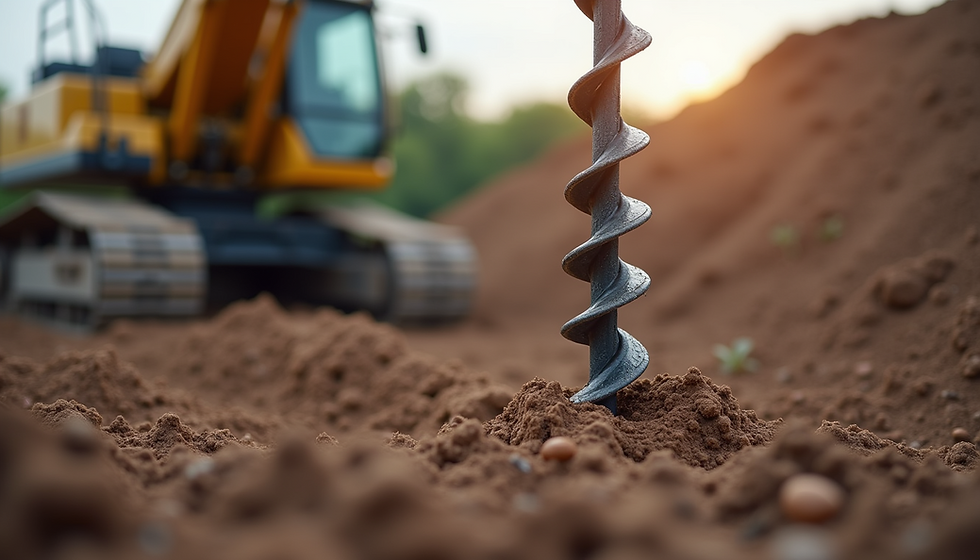
Helical piers are steel shafts with screw-like plates welded to them. They are installed by rotating them into the ground until they reach stable soil or bedrock. This method provides a strong, deep foundation that resists shifting and settling. Unlike concrete footings, which require excavation and curing time, helical piers can be installed quickly with minimal disturbance to the site.
Why Choose Helical Piers for Your Deck?
Stability in Difficult Soil Conditions
Many homeowners face soil challenges such as clay, loose sand, or expansive soils that swell and shrink with moisture changes. These conditions cause traditional footings to crack or sink unevenly. Helical piers bypass unstable topsoil and anchor directly into firm layers below. This ensures your deck remains level and secure over time.
Faster Installation and Less Mess
Concrete footings require digging holes, setting forms, pouring concrete, and waiting days for it to cure. Helical piers screw into the ground with specialized equipment, often completed in a few hours. This reduces construction time and limits disruption to your yard.
Adjustable and Removable
If your deck needs repairs or modifications, helical piers can be adjusted or removed without major demolition. This flexibility is valuable for homeowners who want to expand or relocate their decks in the future.
Environmentally Friendly
Because helical piers require less excavation and no concrete, they have a smaller environmental footprint. They preserve more of the natural landscape and reduce soil erosion risks.
Properties That Benefit Most from Helical Piers
Homes on Sloped or Uneven Terrain
Building a deck on a slope can be tricky. Helical piers provide stable support at varying depths, making it easier to level the deck surface. This is especially useful for hillside properties where traditional footings may be impractical.
Areas with High Water Tables or Flood Risk
Properties near lakes, rivers, or wetlands often have saturated soil that weakens concrete footings. Helical piers reach below the water table to solid ground, preventing foundation failure caused by water damage.
Locations with Expansive Clay Soils
Expansive clay expands when wet and contracts when dry, causing ground movement that damages decks. Helical piers anchor below the active soil zone, avoiding the shifting that damages conventional foundations.

Properties in Cold Climates with Frost Heave
Frost heave occurs when freezing soil pushes foundations upward, leading to cracks and instability. Helical piers extend below the frost line, preventing movement caused by freezing and thawing cycles.
Historic or Environmentally Sensitive Sites
When digging is restricted to protect tree roots or archaeological features, helical piers minimize ground disturbance. Their small footprint and quick installation preserve sensitive environments better than traditional footings.
Practical Examples of Helical Pier Use
A homeowner in Florida built a large deck over sandy soil prone to shifting. Helical piers provided a stable base that resisted movement during heavy rains and hurricanes.
In Minnesota, a family installed a deck on a hillside with expansive clay. The piers prevented cracking and uneven settling caused by soil swelling.
A lakeside property in Oregon used helical piers to elevate a deck above the floodplain, protecting it from seasonal water rise.
What to Expect During Installation
A professional contractor will assess your soil conditions and design a helical pier system tailored to your deck size and load requirements. Installation involves:
Marking pier locations
Using hydraulic equipment to screw piers into the ground
Attaching brackets to support deck posts
The process usually takes less than a day and allows you to proceed with deck framing immediately.
Cost Considerations
Helical piers may cost more upfront than simple concrete footings, but their durability and reduced maintenance often save money over time. Faster installation also lowers labor costs. For challenging sites, they can be the most cost-effective foundation option.
Final Thoughts
Helical piers offer a strong, adaptable foundation solution for decks, especially on properties with difficult soil, slopes, or environmental restrictions. They provide long-term stability, faster installation, and less impact on your yard. If you want a deck that stands firm through changing conditions, helical piers deserve serious consideration.
Contact JCS Today!
If you're ready to explore how helical piers can benefit your deck project, contact JCS for a consultation. Our experts are here to help you find the perfect foundation solution tailored to your needs. Don’t wait—get started on building a stable and durable deck today!


Comments