
Understanding Helical Piles and Piers: Benefits for Contractors Over Traditional Footings

When it comes to building strong foundations, contractors face many choices. One option gaining popularity is the use of helical piles and piers. These foundation supports offer unique advantages compared to traditional concrete footings. Understanding what helical piles and piers are, how they work, and why contractors often prefer them can help builders make informed decisions for their projects.

What Are Helical Piles and Piers?
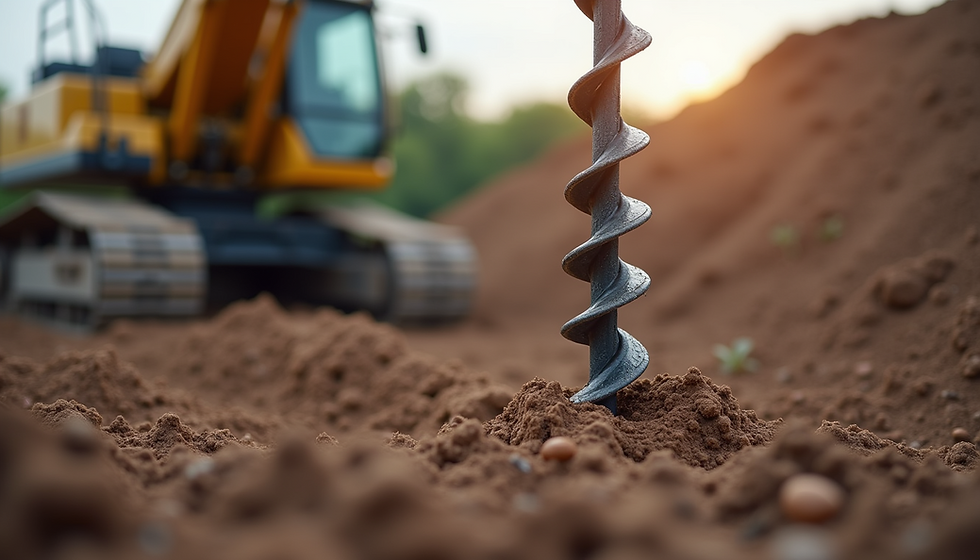
Helical piles, also called helical piers or screw piles, are deep foundation elements made of steel shafts with helically shaped plates welded to them. These piles are screwed into the ground using hydraulic machinery, anchoring the structure to stable soil or bedrock below the surface. The helical plates provide load-bearing capacity by transferring the weight of the structure through weak soil layers to stronger soil or rock.
Helical piers serve a similar purpose but often refer to piles used for underpinning or stabilizing existing foundations. Both types provide vertical and lateral support, making them suitable for a wide range of construction needs.
Common Uses of Helical Piles and Piers
Helical piles and piers are versatile and used in many applications, including:
New construction: Supporting decks, homes, commercial buildings, and light industrial structures.
Foundation repair: Stabilizing settling or sinking foundations without extensive excavation.
Temporary structures: Providing quick, removable support for temporary buildings or equipment.
Difficult soil conditions: Building on expansive clay, loose sand, or areas with high water tables.
Environmental sensitivity: Minimizing disturbance in wetlands or protected areas.
Their ability to be installed quickly and with minimal soil disruption makes them ideal for projects where traditional footings would be challenging or costly.
Why Contractors Prefer Helical Piles Over Traditional Footings
Contractors often choose helical piles instead of traditional concrete footings for several practical reasons:
Faster Installation
Helical piles can be installed in a fraction of the time it takes to pour and cure concrete footings. The piles are screwed directly into the ground with hydraulic equipment, eliminating the need for excavation, formwork, and waiting for concrete to set. This speed reduces labor costs and shortens project timelines.
Less Site Disturbance
Because helical piles require minimal digging, they cause less disruption to the surrounding soil and landscape. This is especially important in tight urban sites, environmentally sensitive areas, or locations with limited access.
Immediate Load Bearing
Once installed, helical piles can support loads immediately. Traditional footings require curing time before they can bear weight, which can delay construction progress.
Adaptability to Soil Conditions
Helical piles perform well in a variety of soil types, including soft, loose, or waterlogged soils where concrete footings might fail or require expensive soil stabilization.
Reduced Equipment Needs
Installing helical piles requires smaller, more mobile equipment compared to the heavy machinery needed for excavation and concrete pouring. This reduces site congestion and can lower equipment rental costs.

Pros and Cons of Helical Piles Compared to Traditional Footings
While helical piles offer many benefits, they also have some limitations. Here’s a balanced look at their pros and cons:
Pros
Speed: Quick installation saves time and money.
Minimal excavation: Less soil removal and site disturbance.
Immediate use: Can bear loads right after installation.
Versatility: Suitable for new builds, repairs, and difficult soils.
Environmental benefits: Reduced impact on sensitive sites.
Adjustability: Can be installed to precise depths and loads.
Cons
Cost: Initial material and equipment costs can be higher than simple concrete footings.
Load limits: Not suitable for extremely heavy structures without engineering review.
Corrosion risk: Steel piles require protective coatings or galvanization in corrosive soils.
Specialized installation: Requires trained operators and specific machinery.
Availability: Not all contractors have experience or equipment for helical piles.
When to Choose Helical Piles
Helical piles are a smart choice when:
The soil is unstable or has a high water table.
Speed is critical to meet tight deadlines.
Minimizing site disturbance is a priority.
The project involves foundation repair or underpinning.
Access for heavy excavation equipment is limited.
For large commercial projects with extremely heavy loads, traditional footings or deep concrete piles might still be preferred. However, for many residential and light commercial projects, helical piles offer a strong, efficient foundation solution.
Contact JCS for Expert Helical Pile Installation
Choosing the right foundation system can make or break your project. If you want fast, reliable, and minimally invasive foundation support, helical piles and piers are worth considering. JCS specializes in professional helical pile installation with experienced crews and modern equipment. We work closely with contractors to deliver strong foundations tailored to your site conditions and project needs.
Reach out to JCS today to discuss your foundation challenges and learn how helical piles can save time and money on your next build. Our team is ready to provide expert advice and quality installation services that keep your project on track.


Comments