
Essential Deck Maintenance Tips for Winter

Updated: Dec 3, 2025
Wooden decks add charm and functionality to any home. However, winter weather can take a serious toll on them. Cold temperatures, snow, ice, and moisture can cause wood to crack, warp, or rot if not properly cared for. Protecting your deck during the colder months helps preserve its beauty and extends its lifespan. In this blog post, I’ll cover practical deck maintenance tips to keep your wooden deck strong and looking great through winter.

Clean Your Deck Thoroughly Before Winter
Dirt, leaves, and debris left on your deck can trap moisture and accelerate wood decay. Before the first snowfall, sweep your deck to remove all loose material. Use a mild detergent mixed with water and a soft brush to scrub away stains, mold, or mildew. Avoid harsh chemicals that can damage the wood or strip protective finishes.
Rinse the deck well with a garden hose and allow it to dry completely. This step prevents moisture from lingering under debris and reduces the risk of mold growth during winter.
Inspect and Repair Damages Early
Winter weather worsens existing damage. Check your deck for loose boards, protruding nails, or cracks. Tighten screws and replace any damaged boards to prevent accidents and further deterioration.
Look closely at the railing and stairs as well. Fixing small issues now saves costly repairs in spring. If you notice any signs of rot, treat the affected areas with a wood preservative designed for outdoor use.
Apply a Protective Sealant
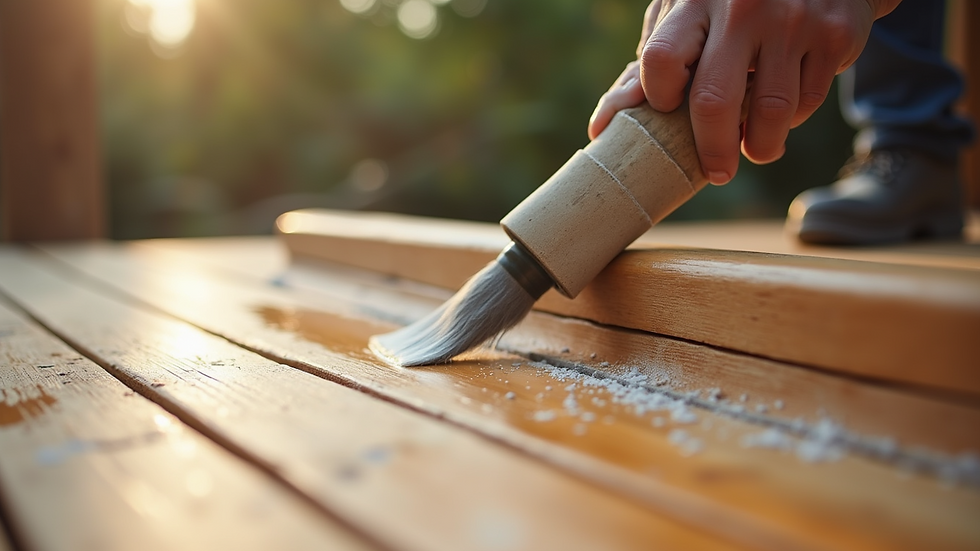
A quality sealant acts as a barrier against water, ice, and snow. Choose a sealant suitable for your deck’s wood type and climate. Apply it after cleaning and repairs, following the manufacturer’s instructions carefully.
Sealants help prevent water absorption, which causes wood to swell and crack when frozen. Reapplying sealant every 1 to 3 years keeps your deck well-protected. If your deck already has a sealant, check for peeling or wear and reapply as needed.
Manage Snow and Ice Carefully
Snow and ice buildup can cause structural damage and create slippery surfaces. Remove snow promptly using a plastic shovel to avoid scratching the wood. Avoid metal shovels or sharp tools that can gouge the deck surface.
For ice, use calcium chloride-based ice melt products that are safe for wood. Avoid rock salt or other harsh chemicals that can damage the wood fibers and surrounding plants. Spread ice melt sparingly and sweep away residue once ice melts.
Improve Drainage and Ventilation
Water pooling on or under your deck accelerates wood decay. Ensure your deck has proper drainage by clearing gutters and downspouts near the deck area. Check that the deck boards are spaced correctly to allow water to drain through.
Good airflow under the deck helps wood dry faster after rain or snow. Remove any objects blocking ventilation, such as stored items or dense vegetation. If your deck is close to the ground, consider installing lattice or vents to improve air circulation.

Cover or Store Deck Furniture
Protect your outdoor furniture by storing it indoors or covering it with waterproof covers. Moisture trapped under furniture can cause discoloration and promote mold growth on the deck surface. Using furniture pads or risers can also prevent scratches and water damage.
Plan for Spring Maintenance
Winter care sets the stage for easier spring maintenance. Once the snow melts, inspect your deck again for any damage caused by winter weather. Plan to clean, reseal, and repair as needed to keep your deck in top condition.
The Importance of Regular Maintenance
Regular maintenance is crucial for the longevity of your deck. By taking the time to care for your deck during winter, you can avoid costly repairs later. It’s not just about aesthetics; it’s about safety and functionality too. A well-maintained deck enhances your outdoor living experience and adds value to your home.
Ready to Get Started?
Don't wait until spring to ensure your deck is ready for the warmer months. Contact Jakes Construction today for a professional inspection and maintenance plan tailored to your needs! Let’s work together to transform your outdoor space into a dream living area.


Comments